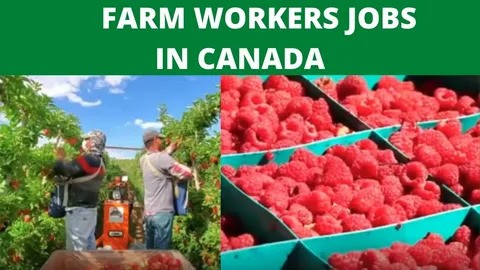
Farm Jobs in Canada
Canada, known for its vast landscapes and diverse climates, is a country rich in agricultural potential. From the rolling plains of the Prairies to the fertile valleys of British Columbia, farm jobs play a crucial role in sustaining the nation’s economy and cultural heritage. This article delves into the various aspects of farm jobs in Canada, exploring the types of jobs available, the benefits and challenges, and the future outlook for this vital sector.
The Scope of Farm Jobs in Canada
1. Types of Farm Jobs
Farm jobs in Canada are diverse, encompassing a wide range of roles, each integral to the agricultural supply chain:
- Field Workers: These roles include planting, cultivating, and harvesting crops. Workers often engage in physically demanding tasks that require stamina and resilience.
- Livestock Handlers: This category includes those who care for animals such as cattle, poultry, and sheep. Responsibilities range from feeding and health monitoring to milking and shearing.
- Equipment Operators: Modern farming relies heavily on machinery. Equipment operators are skilled in using tractors, combines, and other agricultural machinery to maximize efficiency.
- Agronomists and Soil Scientists: These professionals focus on soil health and crop production, advising on best practices for planting, fertilizing, and pest control.
- Farm Managers: Overseeing the daily operations of farms, managers coordinate activities, manage staff, and ensure compliance with agricultural regulations.
2. Seasonal vs. Permanent Employment
Farm jobs can be classified into seasonal and permanent roles. Seasonal work, prevalent during planting and harvest times, attracts temporary workers, often including international labor. Permanent positions offer stability and often include roles that require specialized skills and knowledge.
The Benefits of Farm Jobs
1. Economic Contributions
The agricultural sector is a significant contributor to Canada’s GDP. Farm jobs support rural economies, providing livelihoods for thousands of Canadians and bolstering local communities.
2. Skills Development
Working on a farm offers valuable skills, including problem-solving, teamwork, and technical abilities. These skills are transferable and can benefit workers in various other sectors.
3. Connection to Nature
Farm jobs provide a unique opportunity to work closely with nature. Many find satisfaction in being outdoors, engaging in physical activity, and witnessing the direct results of their labor.
4. Cultural and Social Impact
Agriculture is deeply embedded in Canadian culture. Farm work fosters a sense of community and tradition, preserving rural lifestyles and promoting sustainable practices.
Challenges Faced by Farm Workers
1. Physical Demands
Farm work is physically intensive, often requiring long hours in challenging weather conditions. The labor can be strenuous, with tasks such as lifting, bending, and operating heavy machinery.
2. Seasonal Employment and Job Security
Many farm jobs are seasonal, leading to periods of unemployment. This lack of stability can pose financial challenges for workers who rely on consistent income.
3. Health and Safety Risks
The agricultural sector is fraught with potential hazards, including exposure to chemicals, machinery accidents, and repetitive strain injuries. Ensuring safe working conditions is paramount but can be challenging.
4. Wage Disparities
While some farm jobs offer competitive wages, many positions, especially those filled by temporary foreign workers, pay minimum wage or slightly above, making it difficult to achieve financial security.
The Role of Temporary Foreign Workers
Canada’s agricultural sector heavily relies on the Temporary Foreign Worker Program (TFWP). This program allows Canadian employers to hire foreign nationals to fill labor shortages when qualified Canadians or permanent residents are not available.
1. Importance to the Sector
Foreign workers are essential during peak agricultural seasons. They fill roles that are often unattractive to domestic workers due to their temporary and physically demanding nature.
2. Rights and Protections
The Canadian government has implemented measures to protect the rights of temporary foreign workers, ensuring fair treatment, proper housing, and safe working conditions. However, challenges remain in enforcement and oversight.
3. Integration and Community Impact
Temporary foreign workers contribute to the cultural diversity of rural communities. Programs aimed at integration and support help foster a positive relationship between foreign workers and local populations.
Innovations and Technological Advancements
The agricultural sector is undergoing a technological revolution, with advancements aimed at increasing efficiency and sustainability.
1. Precision Agriculture
Using GPS technology and data analytics, precision agriculture allows for targeted interventions, reducing waste and optimizing crop yields.
2. Automation and Robotics
Automation is transforming farming operations. Robots and drones are used for planting, monitoring, and harvesting, reducing the reliance on manual labor.
3. Sustainable Practices
Innovations in sustainable farming practices, such as no-till farming, organic agriculture, and regenerative practices, are gaining traction. These methods improve soil health, increase biodiversity, and reduce environmental impact.
Government Policies and Support
The Canadian government plays a crucial role in supporting the agricultural sector through policies and programs:
1. Subsidies and Grants
Financial assistance through subsidies and grants helps farmers invest in new technologies, expand their operations, and weather economic uncertainties.
2. Research and Development
Government-funded research initiatives drive innovation, focusing on improving crop varieties, pest control methods, and sustainable practices.
3. Training and Education
Programs aimed at training and educating the agricultural workforce ensure that workers have the necessary skills and knowledge to adapt to evolving industry demands.
Future Outlook
1. Climate Change Adaptation
The agricultural sector must adapt to the challenges posed by climate change. This includes developing resilient crop varieties, improving water management practices, and adopting sustainable farming techniques.
2. Workforce Development
Attracting and retaining a skilled workforce is essential for the future of Canadian agriculture. This includes addressing wage disparities, improving working conditions, and offering pathways to permanent residency for temporary foreign workers.
3. Embracing Technology
Continued investment in technology and innovation will drive the sector forward. Embracing digital tools, automation, and sustainable practices will ensure long-term productivity and environmental stewardship.
Farm Jobs in Canada
Farm jobs in Canada are the backbone of the nation’s agricultural sector, offering diverse opportunities and contributing significantly to the economy and cultural heritage. While the sector faces challenges, from physical demands to job security issues, the future holds promise through technological advancements and supportive government policies. As Canada navigates the evolving landscape of agriculture, the resilience and dedication of its farm workers will remain a cornerstone of its success.
If you have quires about the article feel free to contact us. We will get back to you as soon as possible.