Modern Healthcare
Modern Healthcare is evolving at an incredible pace.
From virtual doctor visits to wearable fitness trackers, we’re seeing a dramatic shift from reactive treatments to proactive health management. The focus is no longer just on curing diseases—but on preventing them, personalizing care, and empowering individuals to take control of their health.
Whether you’re a busy professional, a parent juggling family life, or someone simply trying to live healthier, understanding the direction of modern healthcare could change how you live—and even how long you live.
In this in-depth guide, we explore how healthcare is becoming smarter, more accessible, and more focused on whole-body wellness—without relying on insurance plans to make a difference.
1. The Rise of Preventive Healthcare: Stop Illness Before It Starts
One of the most exciting changes in healthcare is the growing emphasis on preventive care.
Instead of waiting for a diagnosis, more people—and providers—are embracing:
-
Regular health screenings
-
Nutritional guidance
-
Mental health check-ins
-
Sleep assessments
-
Fitness tracking
Scientific evidence is clear: preventive healthcare lowers the risk of chronic diseases like diabetes, hypertension, obesity, and heart disease. Even small changes—like 30 minutes of walking a day or reducing sugar intake—can dramatically improve long-term health.
2. Digital Health and Wearables: Tracking Your Health in Real Time
Technology is revolutionizing how we understand our bodies.
Thanks to wearable devices like smartwatches and fitness bands, we can now track:
-
Heart rate variability
-
Blood oxygen levels
-
Sleep patterns
-
Calories burned
-
Daily movement goals
Apps like Apple Health, Google Fit, and MyFitnessPal collect real-time data that helps users—and doctors—make smarter health decisions.
This kind of data-driven health monitoring is especially useful for people managing chronic conditions, seniors, or anyone looking to optimize performance and wellness.
3. Telemedicine: Healthcare from the Comfort of Home
The pandemic made one thing very clear: we don’t always need to leave the house to see a doctor.
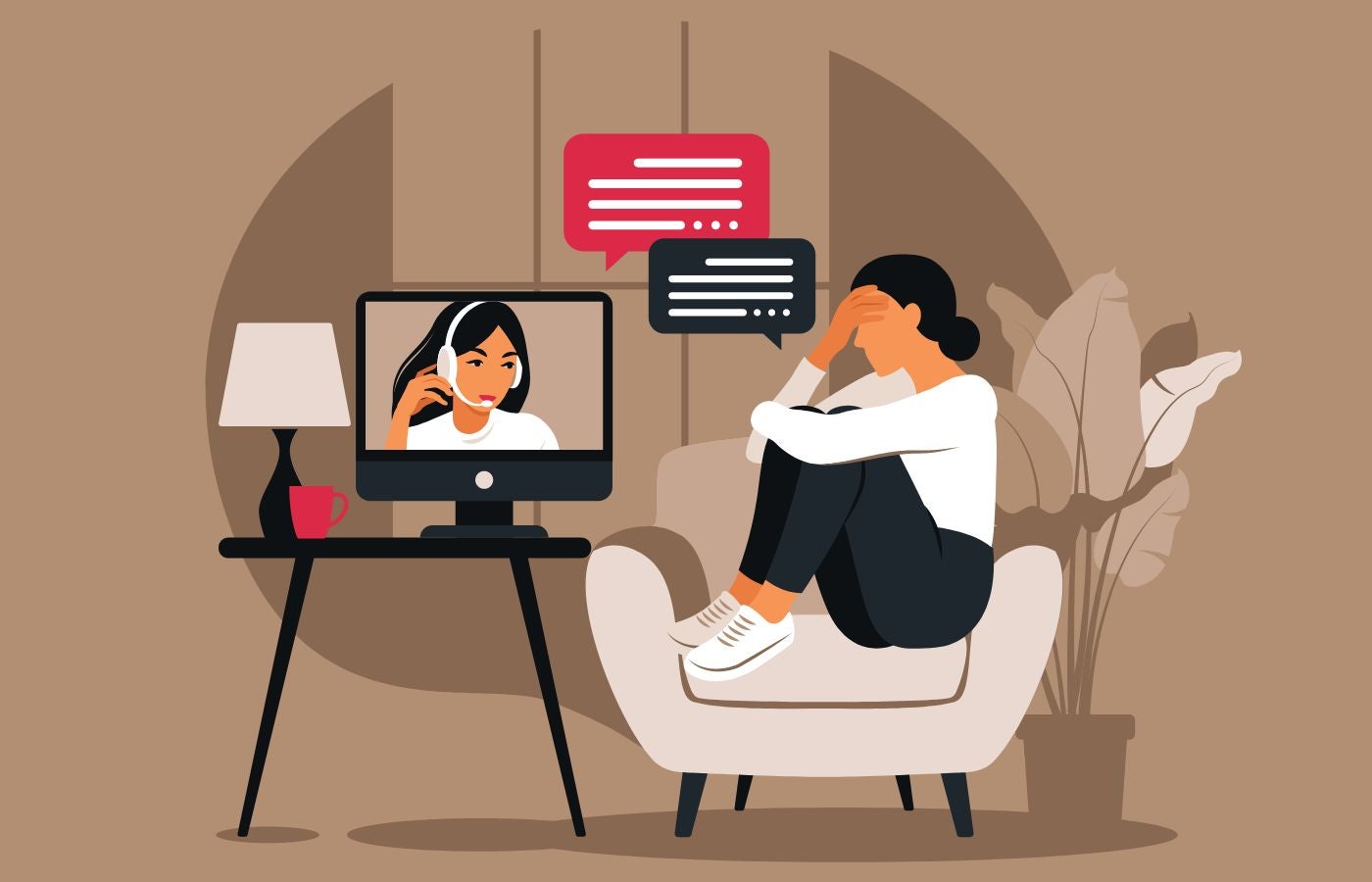
Telemedicine has emerged as a safe, convenient, and cost-effective alternative to in-person visits. Whether it’s a video call with your general practitioner or chatting with a therapist online, virtual care is here to stay.
Telehealth works well for:
-
Routine checkups
-
Chronic condition management
-
Mental health counseling
-
Prescription refills
And it’s not just for urban areas. Rural communities now have more access to specialists through digital consultations.
4. The Role of Nutrition in Preventing Disease
Healthcare isn’t just about pills and prescriptions. Food is medicine, and the right diet can prevent or reverse many health conditions.
Key trends in nutritional health include:
-
Plant-based diets for heart and digestive health
-
Anti-inflammatory foods for autoimmune disorders
-
Gut health and probiotic-rich foods
-
Personalized nutrition using DNA analysis
More nutritionists and dietitians are offering virtual coaching programs, helping individuals make smarter food choices that align with their goals—whether it’s weight loss, muscle gain, or managing blood sugar.
5. Mental Health is Health: Prioritizing Emotional Wellbeing
One of the most transformative shifts in healthcare is the growing recognition that mental health is just as important as physical health.
Anxiety, depression, stress, and burnout are at all-time highs—especially among students, working professionals, and caregivers. Thankfully, modern healthcare now integrates therapy, meditation, cognitive behavioral coaching, and mindfulness practices into standard wellness routines.
Apps like Headspace, Calm, and BetterHelp have made access to therapy and emotional support affordable and private.
Employers are also stepping up, offering wellness programs and mental health days to improve employee morale and productivity.
6. Personalized Healthcare: One Size No Longer Fits All
Gone are the days of generic healthcare plans. Thanks to advances in genomics, AI, and machine learning, we’re entering the era of personalized medicine.
Companies like 23andMe and Viome are using DNA and microbiome testing to offer customized:
-
Nutrition plans
-
Supplement recommendations
-
Disease risk assessments
-
Exercise suggestions
This kind of targeted health data helps individuals understand what works best for their unique biology—reducing trial and error and improving results faster.
7. Functional Medicine: Treating the Root, Not the Symptoms
While traditional medicine often focuses on managing symptoms, functional medicine aims to address the root causes of illness.
It uses a holistic approach that considers genetics, environment, lifestyle, and diet. Practitioners spend more time with patients, using advanced labs and in-depth assessments to create tailored treatment plans.
People with autoimmune diseases, hormonal imbalances, chronic fatigue, or digestive disorders often turn to functional medicine when conventional care fails to provide answers.
8. The Future of Healthcare: Smarter, Faster, More Human
Looking ahead, the future of healthcare will likely include:
-
AI-powered diagnostics that detect diseases earlier than ever
-
Remote patient monitoring using IoT devices
-
Health coaching platforms powered by predictive analytics
-
Virtual reality (VR) for pain management and physical therapy
But the most important change? Healthcare will become more personal and preventive, focused on helping people thrive—not just survive.
Modern Healthcare
You don’t need a perfect body, expensive gym membership, or elite health insurance to take control of your wellbeing.
Modern healthcare is about being informed, proactive, and empowered.
You can start by:
-
Scheduling your next physical
-
Downloading a health-tracking app
-
Trying a meditation session
-
Swapping one processed meal a day for whole foods
-
Talking openly about mental health
The tools are there. The knowledge is there. And most importantly—you’re worth the effort.
Ready to improve your health the smart way? Explore wellness apps, digital coaching platforms, and the latest breakthroughs in personalized healthcare today.