Introduction
Your credit score is more than just a number; it’s a critical factor that influences your financial well-being. A healthy credit score opens doors to better borrowing opportunities, lower interest rates, and increased financial flexibility. In this comprehensive guide, we will delve into the world of credit scores, demystify the factors that affect them, and provide actionable strategies to boost your credit score. Whether you’re aiming to secure a mortgage, obtain a car loan, or simply improve your financial standing, mastering your credit score is a crucial step on your journey to financial success.
I. Understanding Your Credit Score
A. What is a Credit Score?
Your credit score is a numerical representation of your creditworthiness. It’s a three-digit number that ranges from 300 to 850, with higher scores indicating better creditworthiness. Lenders use your credit score to assess the risk of lending to you. A high credit score suggests responsible financial behavior and increases your chances of getting approved for loans and credit lines.
B. The Importance of a Good Credit Score
- Loan Approval and Interest Rates: A higher credit score increases your chances of loan approval and allows you to secure loans at more favorable interest rates. This can translate into significant savings over the life of a loan.
- Credit Card Offers: A strong credit score makes you an attractive candidate for credit card issuers, leading to offers with better rewards, lower fees, and higher credit limits.
- Rental Applications: Landlords often consider credit scores when reviewing rental applications, making a good credit score essential for securing desirable living arrangements.
II. Factors Affecting Your Credit Score
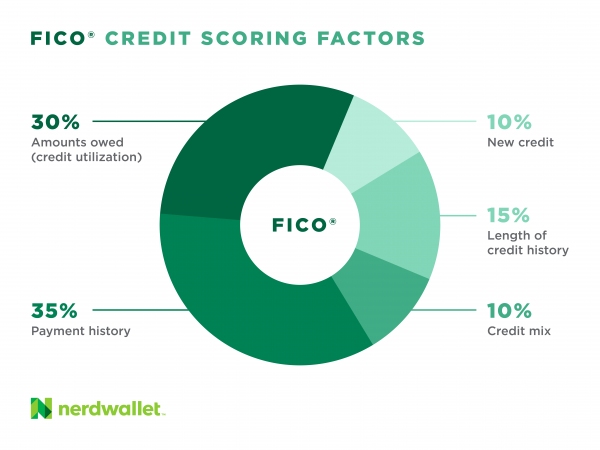
A. Payment History
Timely payment of bills, loans, and credit card balances is the cornerstone of a healthy credit score. Late payments, defaults, and collections can have a significant negative impact on your score.
B. Credit Utilization Ratio
This ratio measures the percentage of your available credit that you’re currently using. Keeping your credit utilization low, ideally below 30%, demonstrates responsible credit management.
C. Length of Credit History
The longer your credit history, the more favorable it is for your score. This factor considers the age of your oldest account, the average age of your accounts, and the age of your newest account.
D. Types of Credit
A diverse mix of credit accounts, such as credit cards, mortgages, and installment loans, can positively influence your score. However, opening multiple new accounts in a short period may indicate financial instability.
E. New Credit Inquiries
Applying for new credit can lead to hard inquiries on your credit report. While one or two inquiries may have a minor impact, too many inquiries within a short timeframe can lower your score.
III. Strategies to Boost Your Credit Score
A. Regularly Check Your Credit Report
Monitor your credit report for errors, inaccuracies, and fraudulent activities. You’re entitled to a free annual credit report from each of the three major credit bureaus: Equifax, Experian, and TransUnion.
B. Pay Bills on Time
Consistently pay your bills, including credit card balances and loan payments, by their due dates. Set up reminders or automatic payments to avoid late payments.
C. Reduce Credit Card Balances
Work on paying down credit card balances to lower your credit utilization ratio. Focus on high-interest cards first, and consider consolidating balances if feasible.
D. Limit New Credit Applications
Apply for new credit only when necessary and avoid opening multiple new accounts within a short period. Each new application results in a hard inquiry, which can temporarily lower your score.
E. Keep Old Accounts Open
Closing old credit accounts shortens your credit history and may increase your credit utilization ratio. Even if you no longer use an account, consider keeping it open to maintain a longer credit history.
F. Diversify Your Credit Mix Wisely
While it’s beneficial to have a mix of credit types, don’t open new accounts solely for this purpose. Only apply for new credit when it aligns with your financial goals.
G. Consider a Secured Credit Card
If you’re rebuilding your credit, a secured credit card can help you establish positive payment history. Secured cards require a deposit and often have lower credit limits.
IV. Long-Term Credit Score Maintenance
A. Patience is Key
Improving your credit score takes time. Consistently practicing responsible credit behavior will lead to gradual score increases over the long term.
B. Regularly Review Your Credit
Continuously monitor your credit report and score to ensure accuracy and identify areas for improvement.
C. Work with Credit Counselors
If you’re facing significant credit challenges, consider seeking guidance from nonprofit credit counseling agencies. They can provide personalized advice and help you create a plan to improve your credit.
Conclusion
Mastering your credit score is a journey that requires dedication and informed decision-making. A strong credit score opens the door to better financial opportunities, from securing low-interest loans to obtaining favorable credit card offers. By understanding the factors that influence your credit score and implementing sound strategies, you can take control of your financial future. Remember, improving your credit score is not an overnight process, but the benefits of responsible credit management are well worth the effort. Start today, and pave the way toward a more secure and prosperous financial life.