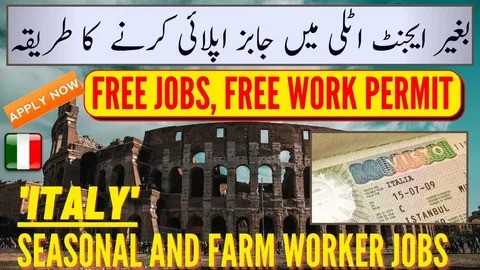
Jobs in Italy 2025: Work Visa & Job Vacancies
Italy isn’t just about delicious pasta, breath-taking art, and stunning landscapes. It’s also a land of growing career opportunities, attracting job seekers from all over the world (Jobs in Italy 2025: Work Visa & Job Vacancies).
Whether you’re dreaming of working in Rome, Milan, Florence, or Venice, finding the right job in Italy can open doors to an incredible lifestyle full of culture, history, and professional growth.
But here’s the reality—landing a job in Italy takes more than just sending out CVs. From navigating the Italy job vacancies market to understanding work visa requirements and employment contracts, the process can feel complex, especially if you’re moving from abroad.
This guide will walk you through everything you need to know to boost your chances of finding skilled worker jobs in Italy, getting your work visa, and settling in comfortably.
Why Work in Italy? (Jobs in Italy 2025: Work Visa & Job Vacancies)
Italy’s economy is the third-largest in the European Union and boasts strong industries in fashion, automotive, engineering, agriculture, tourism, and technology.
For expats, Italy offers not only competitive job opportunities but also a unique quality of life. Imagine balancing work with leisurely coffee breaks in piazzas, enjoying local festivals, and exploring centuries-old architecture on weekends.
Moreover, Italy is part of the Schengen Area, making it easier to travel across Europe once you have your residency permit.
How to Find Italy Job Vacancies
Italian job markets can be competitive, but opportunities abound if you know where to look.
Popular online platforms like InfoJobs, LinkedIn Italy, and Glassdoor list a wide range of job vacancies across sectors such as healthcare, manufacturing, IT, and hospitality.
Italy also has numerous recruitment agencies that specialize in placing foreign workers in Italian companies. Registering with these agencies can give you access to exclusive job openings and support throughout the hiring process.
Networking remains vital in Italy’s job market. Building connections through professional events or online groups can sometimes open doors that online applications cannot.
Work Visa Italy: What You Need to Know
If you’re not an EU or EEA citizen, you’ll need a work visa for Italy to legally live and work in the country.
Your Italian employer usually initiates the visa sponsorship process by applying for a nulla osta (work authorization) on your behalf. After this is approved, you can apply for your work visa at the Italian embassy or consulate in your home country.
Keep in mind the process can take weeks or even months, so start early. Having a correctly completed employment contract Italy is essential as it will be part of your visa application.
Once your visa is granted, you’ll receive a residency permit (permesso di soggiorno) within eight days of arriving in Italy. This document is your key to living, working, and accessing social services legally.
Top Sectors Hiring in Italy (Jobs in Italy 2025: Work Visa & Job Vacancies)
Italy has demand for both skilled and unskilled workers in various fields:
-
Manufacturing and Engineering: Italy’s industrial north is home to automotive giants and advanced manufacturing plants.
-
Tourism and Hospitality: With millions of visitors yearly, hotels, restaurants, and travel companies constantly seek staff.
-
Healthcare: Nurses, doctors, and care workers are needed across the country.
-
Information Technology: Digital transformation has boosted demand for software developers, IT consultants, and data analysts.
-
Agriculture and Food Processing: Italy’s world-famous food sector requires seasonal and permanent workers.
If you’re multilingual and hold specialized skills, your chances increase significantly.
Understanding the Italian Employment Contract
Once you receive a job offer, your employer will present an Italian employment contract. This document outlines your salary, job duties, work hours, benefits, and duration of employment.
Italy has labor laws that protect workers, ensuring paid holidays, sick leave, and social security contributions. However, some contracts may be temporary or part-time, especially in sectors like tourism.
Make sure to carefully review your contract and clarify any doubts before signing.
Salary Expectations and Cost of Living
Salaries in Italy vary widely based on region and industry. Northern cities like Milan and Turin typically offer higher wages compared to the south.
While Italy has a reasonable cost of living compared to other Western European countries, housing in major cities can be pricey. Budget accordingly and factor in expenses like health insurance and transportation.
The upside? Italy’s public healthcare system provides affordable care, and social security benefits are generally solid.
Tips for Success: Navigating the Italy Job Market
-
Learn Basic Italian: While English is common in some sectors, knowing Italian improves your job prospects and daily life.
-
Prepare a European-style CV (Europass): Tailor your resume to Italian employers.
-
Be patient: Hiring and visa processes may take time.
-
Leverage online and offline networks: Join expat groups and attend job fairs.
-
Understand your rights: Familiarize yourself with Italian labor laws and employee protections.
Jobs in Italy 2025: Work Visa & Job Vacancies
Working in Italy offers a blend of professional opportunity and rich cultural experience that few countries can match. Whether you’re pursuing a career in fashion, technology, healthcare, or hospitality, Italy’s diverse job market welcomes talent from across the globe.
Start your job search with realistic expectations, secure the right visa, and prepare to embrace la dolce vita—not just as a visitor, but as a part of Italy’s vibrant working community.
Buona fortuna!