Introduction
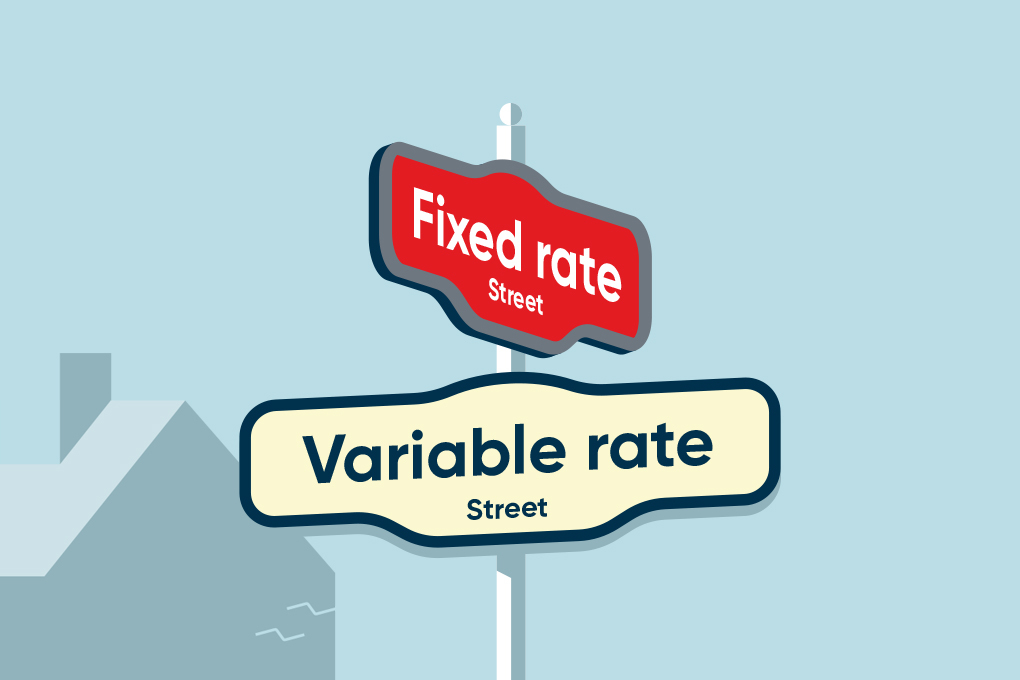
Choosing the right mortgage is a crucial decision that significantly impacts your financial future. When it comes to home financing, two primary options dominate the market: fixed-rate mortgages (FRMs) and adjustable-rate mortgages (ARMs). Each type has its own set of advantages and considerations that borrowers must weigh carefully. In this comprehensive guide, we will delve into the world of mortgage decisions, exploring the key differences between fixed and adjustable rate mortgages. By understanding the nuances of these mortgage types, you can make an informed choice that aligns with your long-term financial goals.
I. Fixed-Rate Mortgages: Stability and Predictability
Fixed-rate mortgages are a popular choice among homebuyers seeking stability and predictability in their monthly mortgage payments. With an FRM, the interest rate remains constant over the life of the loan, providing borrowers with a clear understanding of their financial obligations.
A. Features of Fixed-Rate Mortgages
- Consistent Payments: Monthly payments on a fixed-rate mortgage do not change over time, offering budgetary stability and ease of planning.
- Long-Term Planning: Fixed-rate mortgages are ideal for borrowers who plan to stay in their homes for an extended period, as the interest rate remains unchanged regardless of market fluctuations.
- Protection Against Rate Increases: Borrowers are shielded from rising interest rates, making FRMs a prudent choice during periods of economic uncertainty.
B. Considerations for Fixed-Rate Mortgages
- Higher Initial Rates: Fixed-rate mortgages often have higher initial interest rates compared to the introductory rates of adjustable-rate mortgages.
- Interest Rate Risk: While fixed-rate mortgages provide protection against rising rates, they also prevent borrowers from benefiting from future rate decreases.
II. Adjustable-Rate Mortgages: Flexibility and Potential Savings
Adjustable-rate mortgages offer borrowers an initial period of lower interest rates, followed by periodic rate adjustments based on market conditions. While they present greater risk and potential payment fluctuations, ARMs can be advantageous for certain borrowers.
A. Features of Adjustable-Rate Mortgages
- Initial Lower Rates: ARMs typically start with lower initial interest rates than fixed-rate mortgages, resulting in lower initial monthly payments.
- Potential for Savings: If market interest rates remain stable or decline, borrowers may experience lower overall interest costs throughout the life of the loan.
- Short-Term Benefits: ARMs can be advantageous for borrowers who plan to sell or refinance their homes within the initial fixed-rate period, as they can benefit from lower rates during that time.
B. Considerations for Adjustable-Rate Mortgages
- Rate Adjustments: After the initial fixed-rate period, the interest rate can adjust periodically, leading to potential increases in monthly payments.
- Risk of Rate Fluctuations: ARMs are subject to interest rate fluctuations, and borrowers should be prepared for the possibility of higher payments in the future.
- Market Uncertainty: Borrowers should carefully consider the current economic climate and future rate projections before choosing an ARM.
III. Making the Decision: Factors to Consider
A. Financial Goals
Evaluate your short-term and long-term financial goals. If you prioritize stability and plan to stay in your home for an extended period, a fixed-rate mortgage may be the better choice. Conversely, if you expect to sell or refinance within a few years, an ARM’s initial lower rates could benefit you.
B. Market Conditions
Research current and projected interest rate trends. If rates are low and expected to remain stable, an ARM’s potential for savings might be more appealing. However, if rates are on an upward trajectory, a fixed-rate mortgage could provide security against future rate increases.
C. Risk Tolerance
Assess your comfort level with risk and payment fluctuations. If you prefer predictable payments and want to avoid the uncertainty of rate adjustments, a fixed-rate mortgage is a safer choice. If you’re willing to assume some risk for potential savings, an ARM may align with your risk tolerance.
Conclusion
The decision between a fixed-rate mortgage and an adjustable-rate mortgage hinges on your financial situation, goals, and risk appetite. Fixed-rate mortgages offer stability and protection against rate increases, making them a reliable choice for long-term homeowners. On the other hand, adjustable-rate mortgages provide initial cost savings and flexibility, especially for those who plan to move or refinance within a few years. As you navigate this crucial decision, consider your current financial status, future plans, and market conditions. By carefully weighing the pros and cons of each mortgage type, you can confidently choose the option that best suits your unique circumstances and ensures a solid foundation for your homeownership journey.