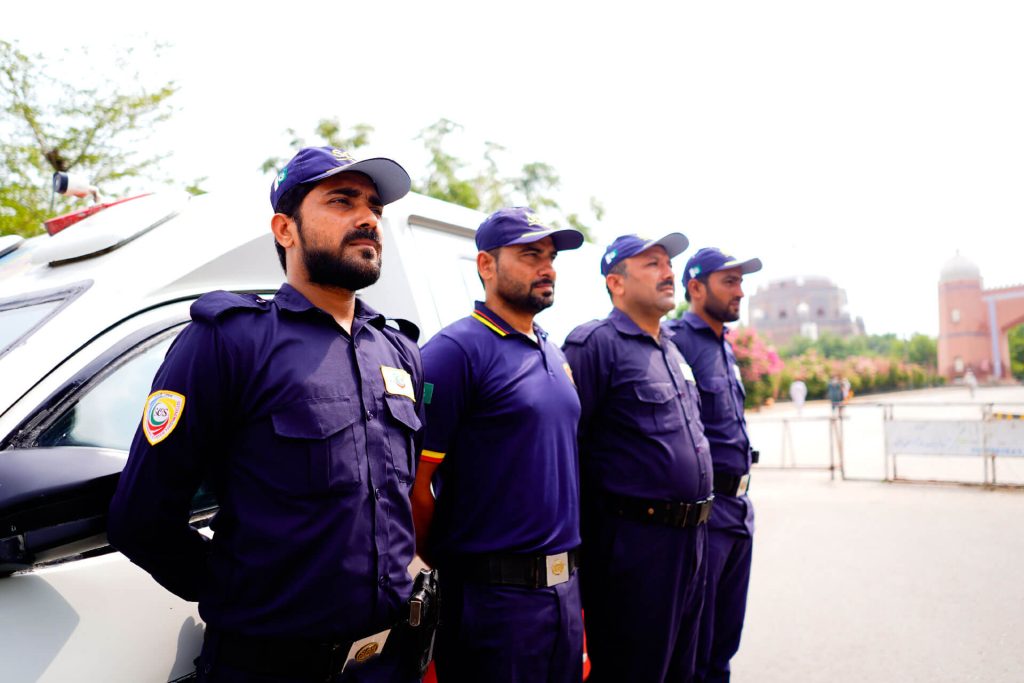
Security Guard Jobs in Canada
Security guard jobs in Canada offer a stable and rewarding career path with numerous opportunities for advancement. As safety and security become increasingly important in various sectors, the demand for trained security personnel continues to rise. This article provides an in-depth look at security guard jobs in Canada, covering job requirements, training, benefits, challenges, and career prospects.
The Role of Security Guards
Security guards play a crucial role in maintaining safety and security across various settings, including commercial buildings, residential areas, public spaces, and private properties. Their primary responsibilities include:
- Protecting Property and People: Ensuring the safety of people and the protection of property against theft, vandalism, and other illegal activities.
- Monitoring and Surveillance: Using surveillance equipment to monitor activities, identify suspicious behavior, and respond to potential threats.
- Access Control: Managing entry and exit points to prevent unauthorized access to buildings and restricted areas.
- Emergency Response: Acting quickly and effectively during emergencies such as fires, medical incidents, or security breaches.
- Patrolling: Conducting regular patrols to deter criminal activity and ensure a visible security presence.
- Reporting: Documenting incidents and activities, and providing detailed reports to supervisors or law enforcement.
Types of Security Guard Jobs
Security guard jobs in Canada can be categorized based on the type of environment and the specific duties involved. Some common types of security guard positions include:
- Unarmed Security Guards: These guards do not carry weapons and are responsible for general security duties such as patrolling, monitoring surveillance systems, and access control.
- Armed Security Guards: These guards carry firearms and are often employed in high-risk environments such as banks, armored car services, and certain government facilities. They require additional training and licensing.
- Corporate Security Guards: Employed by businesses to protect corporate offices, facilities, and assets. They may also be responsible for ensuring the safety of employees and visitors.
- Residential Security Guards: Work in residential settings such as apartment complexes, gated communities, and condominiums to protect residents and property.
- Event Security Guards: Provide security services at events such as concerts, sports games, and public gatherings to manage crowds and ensure safety.
- Retail Security Guards: Employed by retail stores to prevent theft, shoplifting, and vandalism. They may also assist with loss prevention efforts.
- Industrial Security Guards: Work in industrial settings such as factories, warehouses, and construction sites to protect equipment, materials, and personnel.
- Airport Security Guards: Responsible for ensuring the safety and security of passengers, staff, and airport facilities. This includes screening passengers and luggage.
Requirements for Security Guard Jobs
To work as a security guard in Canada, individuals must meet specific requirements, which can vary by province and type of security work. Common requirements include:
- Age and Citizenship: Candidates must be at least 18 years old and legally authorized to work in Canada.
- Education: A high school diploma or equivalent is typically required. Some positions may require additional education or specialized training.
- Training and Licensing: Security guards must complete a training program approved by the provincial or territorial government. This training covers topics such as:
- Legal and ethical responsibilities
- Emergency procedures
- Communication skills
- Use of force (if applicable)
- First aid and CPR
- Patrolling techniques
- Background Check: A clean criminal record is essential. Candidates must undergo a thorough background check, which may include fingerprinting.
- Language Proficiency: Proficiency in English or French is necessary for effective communication and report writing.
- Physical Fitness: Security work can be physically demanding, requiring stamina, strength, and the ability to respond quickly to incidents.
Licensing and Certification
Licensing requirements for security guards vary by province and territory. Each region has its own regulatory body that oversees the licensing process. Here are some examples:
- Ontario: The Ministry of the Solicitor General regulates security guard licensing. Candidates must complete a 40-hour training course and pass a licensing exam to obtain a Security Guard license.
- British Columbia: The Security Programs and Police Technology Division oversees licensing. Candidates must complete basic security training and pass a provincial exam.
- Alberta: The Security Programs under the Ministry of Justice and Solicitor General regulate licensing. Candidates must complete an approved training program and pass a provincial exam.
- Quebec: The Bureau de la sécurité privée (BSP) regulates security guard licensing. Candidates must complete a recognized training program and meet other provincial requirements.
Benefits of Working as a Security Guard
Working as a security guard in Canada offers several benefits, making it an attractive career choice:
- Job Stability: The demand for security services remains high, providing job stability and consistent employment opportunities.
- Competitive Salaries: Security guards earn competitive wages, with the potential for higher earnings in specialized or high-risk positions. According to the Government of Canada Job Bank, the median hourly wage for security guards is CAD 16, with experienced guards earning more.
- Flexible Hours: Security work often offers flexible scheduling, including part-time, full-time, and shift work options, allowing for a better work-life balance.
- Career Advancement: There are numerous opportunities for career growth and advancement within the security industry. With additional training and experience, security guards can move into supervisory, managerial, or specialized roles.
- Diverse Work Environments: Security guards can work in various settings, from corporate offices to event venues, providing variety and new challenges.
- Skill Development: Security work helps develop valuable skills such as communication, problem-solving, emergency response, and conflict resolution.
Challenges of Working as a Security Guard
While there are many benefits, working as a security guard also comes with challenges:
- High-Stress Situations: Security guards often face high-stress situations, including dealing with emergencies, confrontations, and potentially dangerous individuals.
- Physical Demands: The job can be physically demanding, requiring long hours of standing, patrolling, and responding to incidents.
- Irregular Hours: Security work often involves irregular hours, including nights, weekends, and holidays, which can impact work-life balance.
- Risk of Injury: Security guards may face risks of injury, especially in high-risk environments or during confrontations.
- Dealing with Difficult People: Security guards must handle difficult individuals and situations with professionalism and composure, which can be challenging.
Tips for Aspiring Security Guards
- Choose the Right Training Program: Enroll in a reputable training program that meets provincial requirements and provides comprehensive instruction.
- Gain Experience: Start with entry-level positions to gain experience and develop your skills. Volunteering or part-time work can also be beneficial.
- Stay Updated on Regulations: Stay informed about industry regulations, licensing requirements, and best practices to ensure compliance and enhance your skills.
- Focus on Communication: Effective communication is crucial in security work. Develop strong verbal and written communication skills to interact with the public, colleagues, and law enforcement.
- Prioritize Safety: Always prioritize safety by following protocols, staying vigilant, and maintaining physical fitness.
- Network with Other Professionals: Join security associations, attend industry events, and connect with other security professionals to build a network and learn about job opportunities.
Career Prospects and Advancement
The security industry in Canada offers numerous opportunities for career advancement. With experience and additional training, security guards can move into specialized roles such as:
- Security Supervisor: Oversee a team of security guards, manage schedules, and ensure compliance with policies and procedures.
- Security Manager: Responsible for managing security operations at a facility, developing security policies, and coordinating with law enforcement.
- Loss Prevention Specialist: Focus on preventing theft and fraud in retail environments, conducting investigations, and implementing loss prevention strategies.
- Close Protection Officer: Provide personal security for individuals, such as executives, celebrities, or high-profile clients. This role often requires specialized training and experience.
- Security Consultant: Work with businesses and organizations to assess security needs, develop security plans, and recommend improvements.
- Cybersecurity Specialist: Focus on protecting digital assets and information systems from cyber threats. This role requires specialized knowledge in cybersecurity and IT.
Security Guard Jobs in Canada
Security guard jobs in Canada offer a stable and rewarding career path with numerous opportunities for growth and development. With a consistent demand for security services, competitive salaries, and diverse work environments, it is an attractive option for job seekers. However, it is essential to understand the challenges and requirements of the profession to make an informed decision.
By preparing adequately, staying informed, and embracing the unique aspects of the job, aspiring security guards can build a successful and fulfilling career in Canada’s dynamic security industry. Whether you are drawn by the promise of job stability, the potential for career advancement, or the opportunity to contribute to public safety, a career as a security guard offers a path worth exploring.