Factory Worker Jobs in Italy
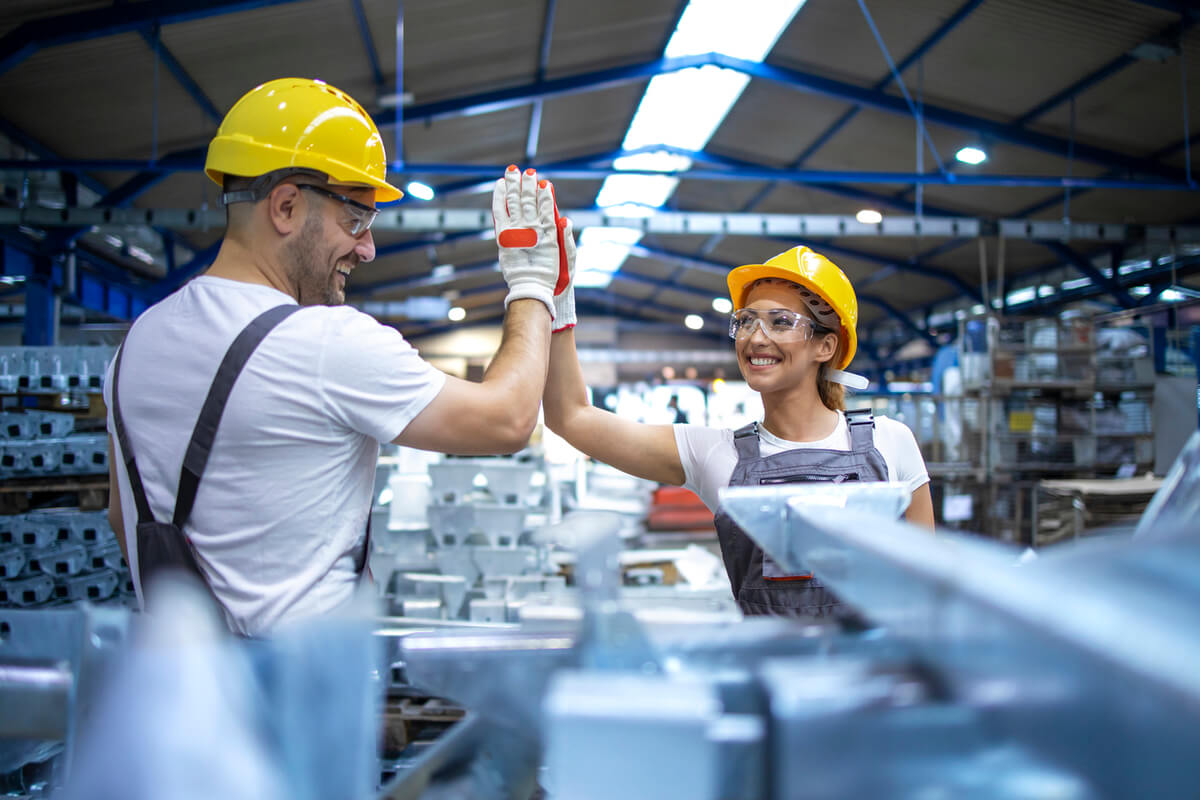
Italy, with its rich industrial history and robust manufacturing sector, offers a variety of job opportunities in factories across the country. From the northern industrial hubs of Milan and Turin to the specialized production centers in the south, factory worker jobs play a crucial role in driving the nation’s economy. This article delves into the different types of factory jobs available in Italy, the skills required, the challenges faced by workers, and the potential future of factory employment in the country (Factory Worker Jobs in Italy).
Overview of Italy’s Manufacturing Sector
Italy is renowned for its manufacturing prowess, particularly in sectors such as automotive, fashion, machinery, and food processing. The country’s manufacturing sector is characterized by a mix of large multinational companies and small to medium-sized enterprises (SMEs). These businesses collectively contribute significantly to Italy’s GDP and provide employment to millions.
Key manufacturing sectors include:
- Automotive Industry: Home to iconic brands like Ferrari, Fiat, and Lamborghini, Italy’s automotive sector is a major employer, particularly in the northern regions of Lombardy and Piedmont.
- Fashion and Textiles: Italy is a global leader in fashion, with cities like Milan serving as fashion capitals. The textile industry, which includes the production of clothing, leather goods, and accessories, offers numerous factory jobs.
- Machinery and Equipment: Italy produces a wide range of industrial machinery and equipment, from agricultural machines to sophisticated manufacturing tools. This sector is vital for both domestic use and export.
- Food and Beverage Processing: Known for its culinary heritage, Italy’s food processing industry encompasses everything from pasta and cheese production to winemaking and olive oil processing.
Types of Factory Worker Jobs in Italy
Factory worker jobs in Italy span a wide range of roles, each requiring different skills and qualifications. Here are some common positions:
- Assembly Line Workers: These workers are responsible for assembling products or components on a production line. They need to be efficient, detail-oriented, and able to work in a fast-paced environment.
- Machine Operators: Machine operators handle the operation and maintenance of machinery used in manufacturing processes. Technical skills and an understanding of machinery are essential for these roles.
- Quality Control Inspectors: Quality control inspectors ensure that products meet specific standards and regulations. Attention to detail and knowledge of quality control processes are crucial.
- Packaging Workers: These workers package finished products for distribution. They must ensure that products are correctly labeled and packaged according to company standards.
- Forklift Operators: Forklift operators manage the movement of materials and products within the factory. They need to be licensed and skilled in operating heavy machinery.
- Maintenance Technicians: Maintenance technicians are responsible for repairing and maintaining factory equipment. They require strong technical skills and problem-solving abilities.
- Warehouse Workers: Warehouse workers handle the storage and distribution of goods within the factory. Organizational skills and physical stamina are important for these roles.
- Supervisors and Managers: These positions involve overseeing production processes, managing teams, and ensuring that production targets are met. Leadership skills and experience in manufacturing are essential.
Skills and Qualifications Needed
The skills and qualifications required for factory jobs in Italy vary depending on the role. However, some common requirements include:
- Technical Skills: Many factory jobs require technical skills related to machinery operation, maintenance, and repair. Training programs and vocational schools can provide the necessary education.
- Physical Stamina: Factory work can be physically demanding, requiring workers to stand for long periods, lift heavy objects, and perform repetitive tasks.
- Attention to Detail: Precision is crucial in manufacturing, especially in roles like quality control and assembly line work.
- Problem-Solving Abilities: Workers must be able to troubleshoot issues that arise during production and find efficient solutions.
- Teamwork: Factory workers often operate as part of a team, so good communication and collaboration skills are important.
- Safety Awareness: Adhering to safety protocols and regulations is essential to prevent accidents and injuries in the workplace.
- Basic Literacy and Numeracy: Reading instructions, understanding technical manuals, and performing basic calculations are often required.
Challenges Faced by Factory Workers
While factory jobs offer stable employment opportunities, workers in this sector face several challenges:
- Working Conditions: Factory environments can be noisy, hot, and physically demanding. Workers may need to wear protective gear and adhere to strict safety protocols.
- Job Security: The manufacturing sector is susceptible to economic fluctuations, technological advancements, and global competition, which can impact job security.
- Wages and Benefits: While factory jobs can provide decent wages, there is often variability depending on the industry, location, and specific employer. Access to benefits such as healthcare and retirement plans can also vary.
- Shift Work: Many factories operate on a shift system, which can include night shifts and weekends. This can affect workers’ work-life balance and health.
- Skill Requirements: As manufacturing processes become more automated and technologically advanced, workers need to continuously update their skills to remain employable.
Opportunities and Future Prospects
Despite the challenges, there are several opportunities and positive trends for factory workers in Italy:
- Technological Advancements: The adoption of Industry 4.0 technologies, such as automation, robotics, and the Internet of Things (IoT), is transforming manufacturing. While this can reduce the need for some manual labor, it also creates new opportunities for skilled technicians and engineers.
- Sustainability Initiatives: There is a growing emphasis on sustainable manufacturing practices. Factories are increasingly adopting green technologies and processes, which can create jobs related to environmental management and sustainability.
- Export Growth: Italy’s reputation for high-quality products supports strong export growth. This can drive demand for factory workers in sectors like food processing, fashion, and machinery.
- Government Support: The Italian government has implemented various policies to support the manufacturing sector, including incentives for technological innovation, investment in infrastructure, and training programs for workers.
- Training and Education: Vocational training programs and partnerships between industry and educational institutions are helping to develop a skilled workforce. Continuous learning opportunities are available for workers to upgrade their skills.
Factory Worker Jobs in Italy
Factory worker jobs in Italy are an integral part of the country’s manufacturing sector, contributing significantly to the economy. While these jobs come with challenges such as demanding working conditions and the need for continuous skill development, they also offer opportunities for stable employment and career growth.
As Italy’s manufacturing sector evolves with technological advancements and sustainability initiatives, the demand for skilled factory workers is likely to remain strong. By investing in education and training, embracing new technologies, and supporting sustainable practices, Italy can continue to thrive as a leader in global manufacturing, providing rewarding job opportunities for factory workers.