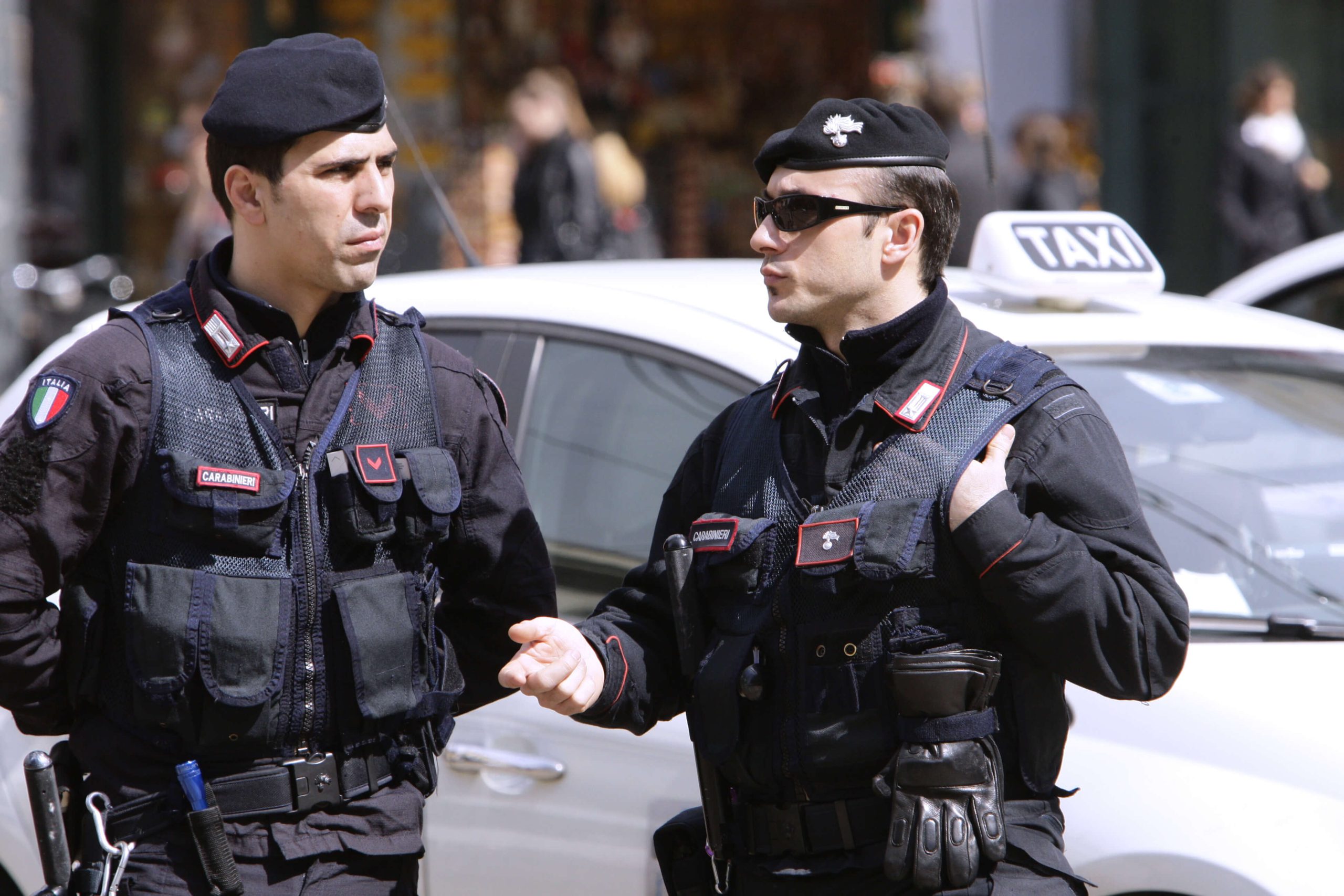
Police Jobs in Italy
Policing in Italy is a complex and multifaceted profession that plays a crucial role in maintaining law and order in the country. With its rich history and diverse culture, Italy presents unique challenges and opportunities for those in the law enforcement sector. This article delves into the various aspects of police jobs in Italy, exploring the responsibilities, requirements, training, and challenges faced by officers in this Mediterranean nation.
The Structure of Italian Police Forces
Italy boasts a multifaceted police system comprised of several distinct law enforcement agencies, each with specific roles and jurisdictions. The primary police forces in Italy include:
- Polizia di Stato (State Police): Operating under the Ministry of the Interior, this is the main civil national police force responsible for general law enforcement, traffic control, and public safety.
- Carabinieri: A military force with police duties, the Carabinieri operates under the Ministry of Defense and handles a broad range of tasks from combating organized crime to ensuring public order.
- Guardia di Finanza (Finance Guard): Tasked with dealing with financial crimes, smuggling, and customs issues, this force operates under the Ministry of Economy and Finance.
- Polizia Penitenziaria (Penitentiary Police): Responsible for maintaining order and security within the prison system, this force operates under the Ministry of Justice.
- Polizia Locale (Local Police): Local police forces that operate under the authority of municipal governments, focusing on community-level issues such as traffic regulation and local ordinance enforcement.
Responsibilities and Duties
The responsibilities of Italian police officers vary significantly depending on the specific force and their area of operation. However, some common duties include:
- Crime Prevention and Investigation: Detecting and investigating criminal activities ranging from petty theft to serious crimes like homicide and terrorism.
- Public Order Maintenance: Ensuring public order during events, protests, and other gatherings to prevent disturbances.
- Traffic Control: Managing traffic flow, enforcing traffic laws, and responding to road accidents.
- Counter-Terrorism: Conducting operations to prevent and respond to terrorist threats.
- Border Control: Preventing illegal immigration and smuggling through border surveillance and control.
- Financial Crime Prevention: Investigating financial fraud, tax evasion, and other economic crimes.
- Community Policing: Engaging with the community to foster trust and cooperation between citizens and law enforcement.
Requirements and Recruitment
Becoming a police officer in Italy requires meeting several specific criteria and undergoing a rigorous selection process. The general requirements include:
- Citizenship: Applicants must be Italian citizens.
- Age: Typically, candidates must be between 18 and 30 years old, although this can vary depending on the specific police force.
- Education: A high school diploma is usually required, and higher education can be advantageous.
- Physical Fitness: Candidates must pass a series of physical fitness tests to ensure they can handle the physical demands of the job.
- Criminal Record: A clean criminal record is essential, as candidates undergo thorough background checks.
- Military Service: For certain forces like the Carabinieri, completion of military service may be required.
The Selection Process
The selection process for police officers in Italy is competitive and consists of several stages:
- Written Examinations: Candidates must pass written tests that assess their general knowledge, logical reasoning, and specific knowledge related to law enforcement.
- Physical Fitness Tests: These tests evaluate the physical capabilities of candidates through exercises such as running, push-ups, and obstacle courses.
- Medical Examination: A comprehensive medical check-up to ensure candidates are in good health and free from any conditions that might impair their duties.
- Psychological Evaluation: Assessing the mental and emotional stability of candidates to ensure they can handle the stresses of police work.
- Interview: A personal interview to evaluate the candidate’s motivation, communication skills, and suitability for the role.
Training and Education
Once selected, recruits undergo extensive training at police academies. Training programs vary depending on the specific force but generally include:
- Legal Training: Courses on criminal law, civil law, and administrative law to ensure officers understand the legal framework within which they operate.
- Technical Skills: Training in the use of firearms, self-defense techniques, and other tactical skills.
- Physical Training: Ongoing physical fitness training to maintain and improve the physical capabilities of officers.
- Practical Experience: Field training under the supervision of experienced officers to apply theoretical knowledge in real-world scenarios.
- Community Relations: Training in communication and community engagement to build positive relationships with the public.
Challenges Faced by Italian Police
Policing in Italy comes with its share of challenges, including:
- Organized Crime: Italy is home to some of the world’s most notorious organized crime groups, such as the Mafia, Camorra, and ‘Ndrangheta. Combating these organizations requires sophisticated and coordinated efforts.
- Terrorism: Like many European countries, Italy faces the threat of terrorism, necessitating constant vigilance and preventive measures.
- Immigration: Italy’s geographical location makes it a primary entry point for migrants and refugees entering Europe, leading to challenges in managing immigration and ensuring border security.
- Public Perception: Building and maintaining public trust is essential but can be challenging, especially in light of high-profile cases of police misconduct or corruption.
- Resource Constraints: Budgetary constraints and resource limitations can impact the effectiveness of police operations and the well-being of officers.
Joining the Italian Police Force: Salary Packages, Benefits, and Eligibility Criteria
The Italian police force is a vital pillar of the country’s public safety infrastructure, offering a diverse range of career opportunities for those interested in law enforcement. This article delves into the salary packages, benefits, motivations for joining the Italian police, and the eligibility criteria, particularly focusing on whether foreign nationals can become part of this esteemed institution.
Salary Packages and Benefits
Polizia di Stato (State Police)
- Entry-Level Officers: New recruits, known as “agenti”, typically start with a monthly gross salary of approximately €1,200 to €1,400. This can increase with overtime and allowances.
- Mid-Level Officers: Officers with several years of experience, such as inspectors, can earn between €1,800 and €2,500 per month.
- Senior Officers: Higher-ranking officers, including superintendents and commissioners, can earn from €2,500 to €4,000 per month, depending on rank and tenure.
Carabinieri
- Entry-Level Officers: Similar to the State Police, Carabinieri recruits start with a monthly salary of around €1,200 to €1,400.
- Non-Commissioned Officers: Sergeants and other non-commissioned officers can expect to earn between €1,600 and €2,200 per month.
- Commissioned Officers: Lieutenants, captains, and higher-ranking officers can earn between €2,500 and €5,000 per month.
Guardia di Finanza (Finance Guard)
- Entry-Level Officers: Starting salaries are in the range of €1,300 to €1,500 per month.
- Mid-Level Officers: Officers with experience, such as lieutenants and captains, earn between €1,800 and €3,000 per month.
- Senior Officers: Higher-ranking officials can earn from €3,000 to €5,500 per month.
Additional Benefits
- Healthcare: Italian police officers have access to comprehensive healthcare benefits, including medical, dental, and vision coverage.
- Pension Plans: Officers benefit from robust pension plans, ensuring financial security upon retirement.
- Housing Allowances: Some officers are eligible for housing allowances or subsidized accommodation, particularly in high-cost areas.
- Education and Training: Continuous professional development opportunities are provided, including specialized training courses and advanced education programs.
- Job Security: Law enforcement jobs in Italy offer a high level of job security, with stable employment and regular salary increments.
Motivations for Joining the Italian Police
- Serving the Community: Many individuals are driven by a strong sense of duty and a desire to serve and protect their communities. Police work offers the opportunity to make a tangible difference in society.
- Career Advancement: The Italian police force provides clear career progression paths, with opportunities for advancement through ranks and specialized units.
- Variety of Roles: From general law enforcement to specialized units like counter-terrorism, cybercrime, and financial fraud, the Italian police force offers diverse career options.
- Cultural and Historical Significance: Italy’s rich history and cultural heritage make working in its police force a unique and rewarding experience.
- International Collaboration: Italy is a key player in international law enforcement collaborations. Offering opportunities to work on global initiatives and with international agencies like Interpol and Europol.
Eligibility Criteria and Nationality Requirements
Italian Citizenship
To join the Italian police force, candidates must be Italian citizens. This requirement is in place to ensure that officers have a strong allegiance to Italy and its legal and social systems.
Age and Education
- Age: Candidates typically must be between 18 and 30 years old, although this range can vary slightly depending on the specific police force.
- Education: A high school diploma is generally required, with higher education being advantageous, particularly for specialized roles or higher ranks.
Physical and Medical Fitness (Police Jobs in Italy)
Candidates must pass rigorous physical fitness tests and medical examinations to ensure they are capable of performing the demanding tasks required of police officers.
Background Checks
A clean criminal record is essential. Candidates undergo thorough background checks to ensure they have no history of criminal activity or other disqualifying issues.
Military Service (Police Jobs in Italy)
For certain forces like the Carabinieri, completion of military service may be required or highly advantageous.
Language Proficiency
Proficiency in the Italian language is a must, as all training, operations, and communications are conducted in Italian.
Opportunities for Foreign Nationals
While foreign nationals cannot directly join the Italian police force. There are several pathways for those interested in law enforcement careers in Italy:
- Naturalization: Foreign nationals who become naturalized Italian citizens can apply to join the police force, provided they meet all other eligibility criteria.
- Dual Citizenship: Individuals holding dual citizenship, with one being Italian, are eligible to apply for police positions.
- International Cooperation: Foreign law enforcement officers or experts can work with Italian police through international cooperation programs, exchange initiatives, and joint task forces.
Joining the Italian police force is a prestigious and rewarding career path, offering competitive salary packages, extensive benefits. And numerous opportunities for personal and professional growth. While the requirement of Italian citizenship limits direct entry for foreign nationals, those with a passion for law enforcement. And a willingness to navigate the path to naturalization can find fulfilling careers within Italy’s diverse and dynamic police forces. The sense of duty, the opportunity to serve the community. And the chance to be part of a storied institution with a rich cultural heritage make policing in Italy an attractive proposition for many aspiring law enforcement professionals.
Police Jobs in Italy
Police jobs in Italy are both demanding and rewarding, offering the opportunity to serve. And protect the community while facing a variety of complex and evolving challenges. The multifaceted nature of Italian policing, with its diverse forces and specialized roles. Ensures that there is no shortage of opportunities for those interested in a career in law enforcement. Despite the inherent difficulties, the dedication and professionalism of Italian police officers continue to play a vital role in maintaining the safety and security of the nation.